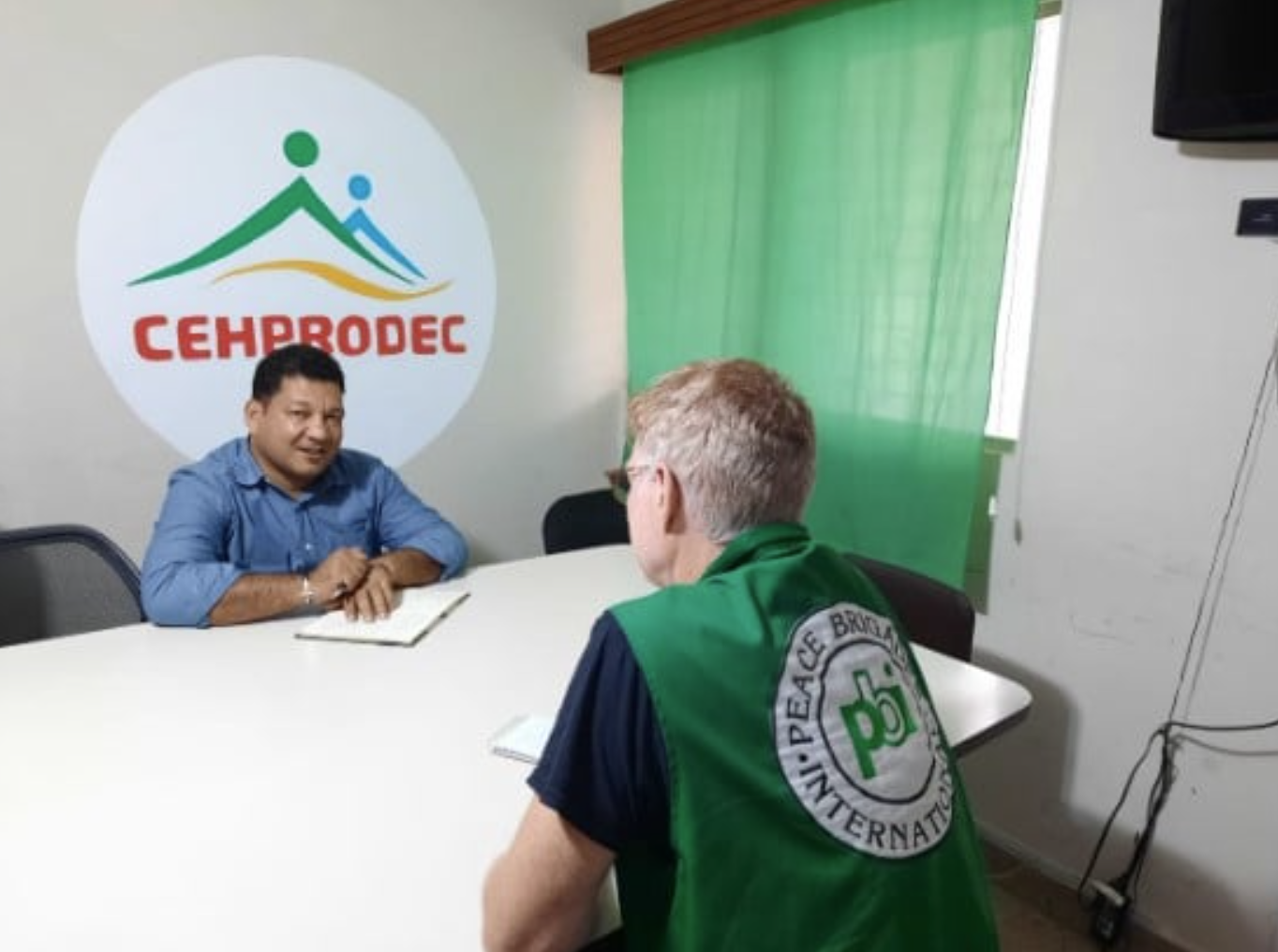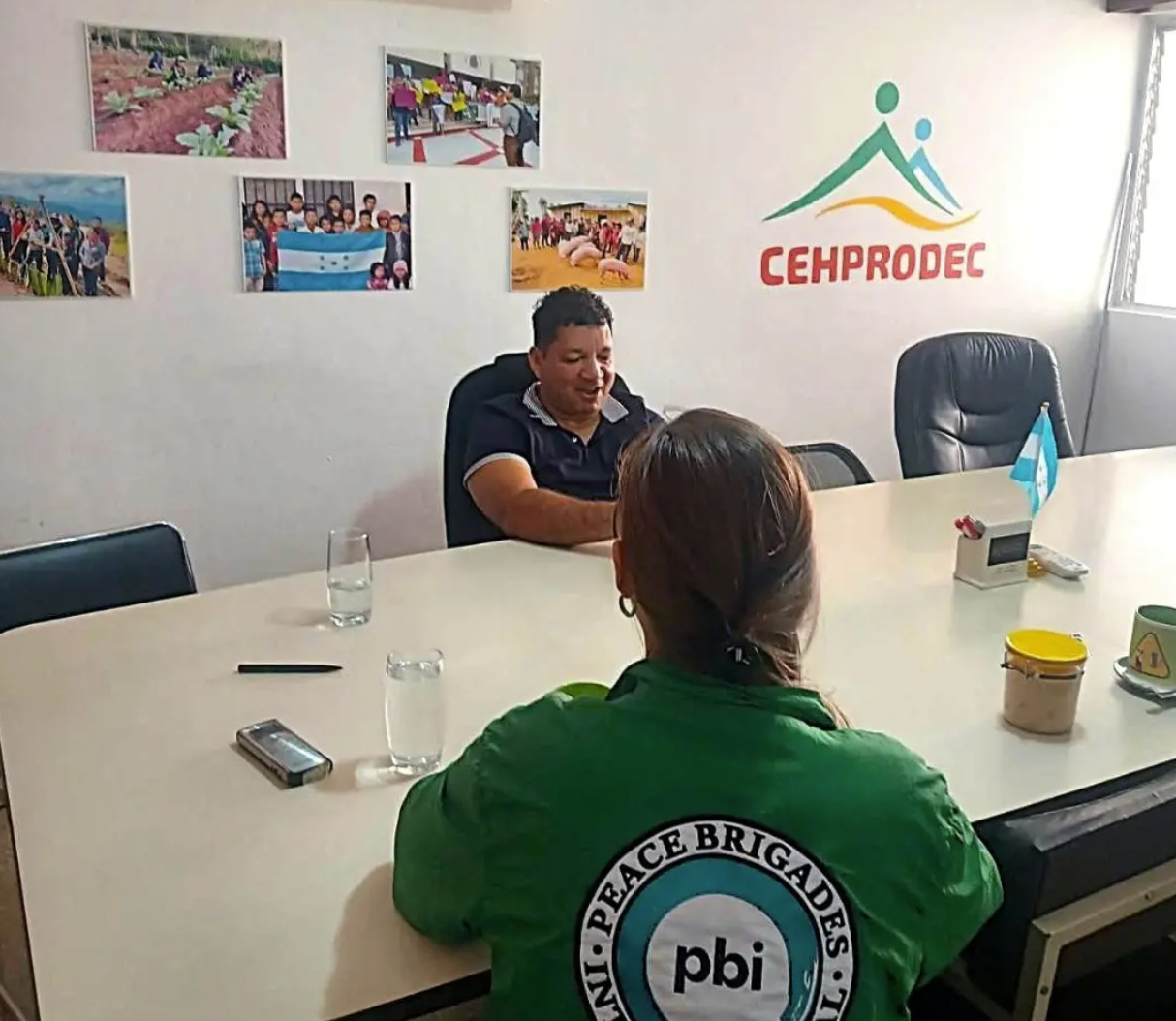
The Peace Brigades International-Honduras Project has posted on social media:
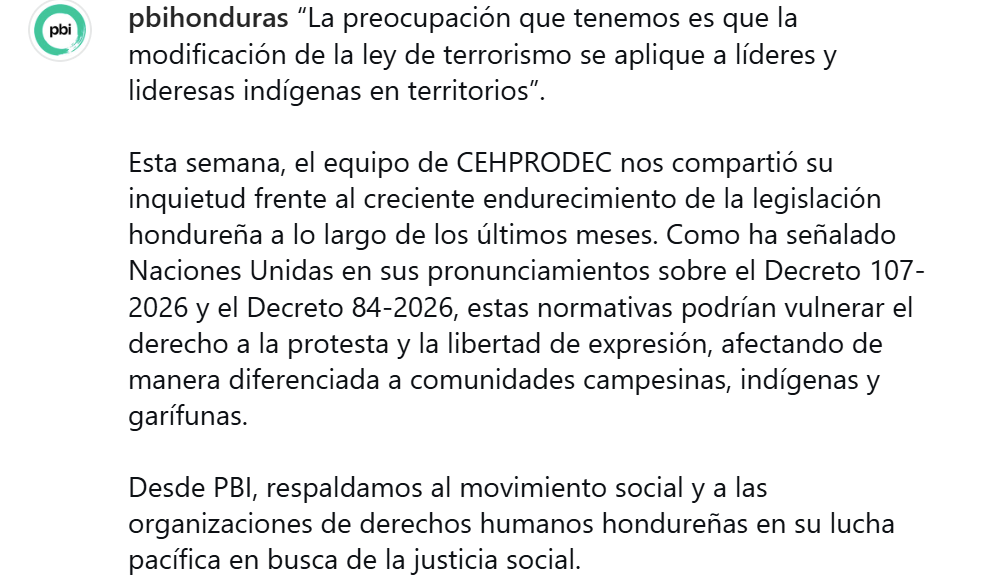
“’Our concern is that the amendment to the terrorism law might be applied to Indigenous leaders—both men and women—within their territories.’
This week, the team at CEHPRODEC shared their concerns regarding the increasingly stringent nature of Honduran legislation over the past few months. As the United Nations has noted in its statements concerning Decrees 107-2026 and 84-2026, these regulations could infringe upon the right to protest and freedom of expression, with a disproportionate impact on peasant, Indigenous, and Garifuna communities.
At PBI, we stand with the social movement and Honduran human rights organizations in their peaceful struggle for social justice.”
The PBI-Honduras social media post includes a link to the statement: Honduras must immediately end mass evictions of peasant, indigenous and Afro-descendant communities: UN experts (September 4, 2026).
That statement says: “Honduras must immediately halt the execution of more than 1,000 eviction orders issued against peasant, indigenous, and Afro-descendant communities, among others, under a new law that protects agro-industrial lands from claims to historic tenure, UN experts said today.”
Terrorism law
Earlier this year, The Guardian reported: “Campaigners say the new rightwing government of Nasry ‘Tito’ Asfura, backed by Donald Trump, has created a legal environment that places campesinos and other land defenders in even more danger. …The first of these legal changes is a reform to the penal code allowing for criminal groups to be designated as terrorist organisations. The law went against the Honduran supreme court’s advice and has been criticised for its open-ended definition of terrorism. ‘Under this law,’ says Lucía Vigil, from the Centre for the Study of Democracy (Cespad), ‘any group exercising their democratic right to peaceful protest can be labelled terrorist.’”
That article adds: “Two weeks after the terrorism law was passed, the government approved a law that prioritises agribusinesses in land rights cases over the claims made by campesino, Indigenous or other activist groups, according to Lucas Mantelli, a lawyer at the pan-American Centre for Justice and International Law. If any of these communities seek to protest against the land claims, the law justifies immediate police or legal intervention. Mantelli says the two laws should be understood as interlinked and part of the new government’s strategy.”
Accompaniment
Peace Brigades International has accompanied the Honduran Center for the Promotion of Community Development (CEHPRODEC) since May 2014.
PBI-Canada met with CEHPRODEC in Tegucigalpa on October 28, 2024.