


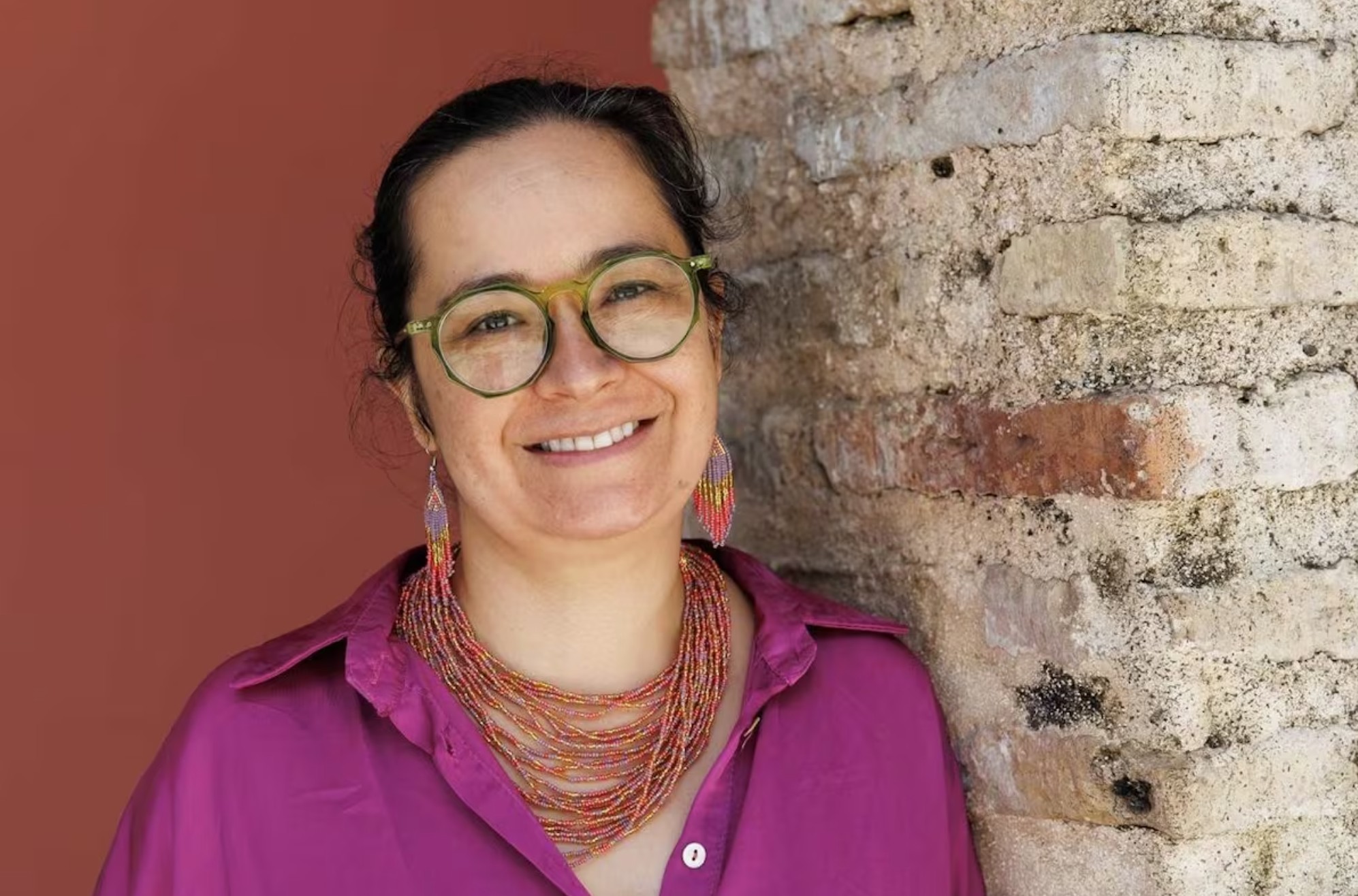
Photo: Andrea Bolaños Vargas.
Andrea Bolaños Vargas was appointed the United Nations Special Rapporteur on the situation of human rights defenders on March 31, 2026.
In a feature interview with El Pais, Vargas comments on the trends she is seeing: “We see a trend towards transnational repression of defenders who go into exile. Also, the use of restrictive legal frameworks maliciously interpreted, including against international human rights law, to criminalize defenders. 75% consider that their work is being restricted by these regulatory frameworks.”
She further notes: “There is a global trend towards autocracy, authoritarianism and the weakening of the rule of law, but it would be unfair to say that it is only in Latin America. It is a global trend.”
Vargas was also asked:
Q: Why is there so much failure in protection?
A: It is essential to ask the communities themselves, and we have failed in that. We have colonial or hegemonic approaches. Latin America has an advantage: there are state protection programs in seven countries. Security does not only involve a hard security approach, but also see it anthropologically, sociologically, psychologically, from other academic and professional approaches.
Q: What recommendations would you give to states to generate effective protection?
A: In collective protection, we have to ask the communities what they need and respect what they have. An indigenous community told me that their protection mechanism asked them what they needed. They replied, “We have no money for our drums.” The mechanism asked in surprise what the drums had to do with protection. The answer was clear, “with our drums we scare away the spirits and warn that something is happening.” The program gave them the money for the drums. It is a great example of a good practice, first they asked, second they listened and third they strengthened the collective protection of a community at risk.
The full interview can be read at: Andrea Bolaños: “La represión a defensores ahora es trasnacional” (El Pais, June 25, 2026).

