
PBI-Mexico has posted:
“June 20 – World Refugee Day
Today, from PBI Mexico, we honor the bravery of those who are forced to flee to protect their lives. We reaffirm our commitment to active solidarity and the defense of human rights, accompanying defenders who, with conviction and courage, raise their voices for those seeking refuge and dignity.
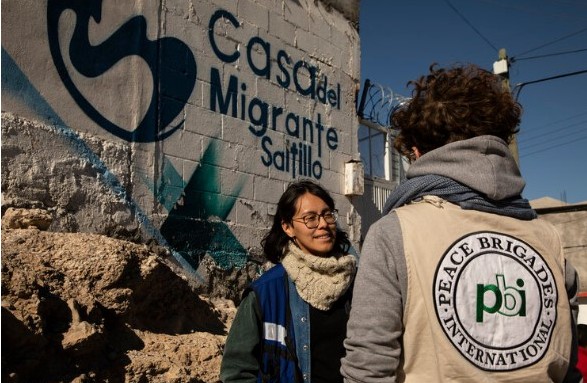
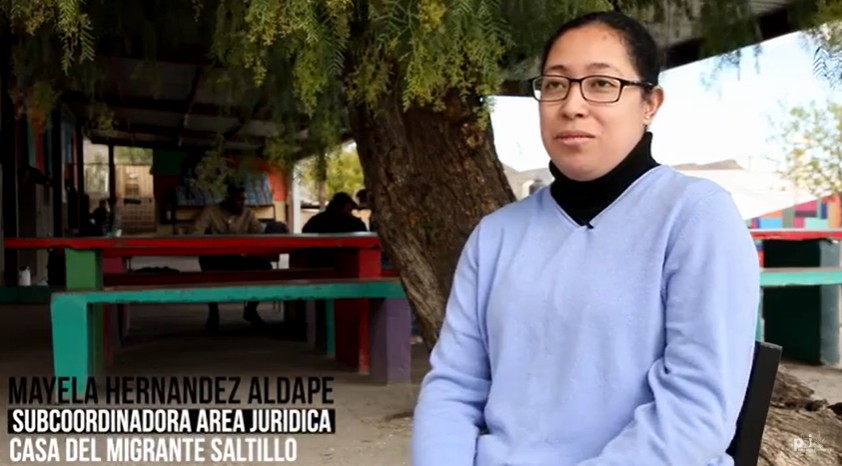
Today we remember the work of Saltillo Migrant House an allied organization of PBI Mexico, which continues to open spaces of protection, listening and hope. In this video they share how the work defending the rights of migrants and refugees brings with it a series of risks and latent threats.
We believe in a world where all people can safely cross borders, be heard, and live free of violence. Because no life is illegal, and every step towards protection deserves respect.
Defending those who defend is also building pathways of hope.
#WorldRefugeeDay #Solidarity #PeaceWithJustice #PBI”
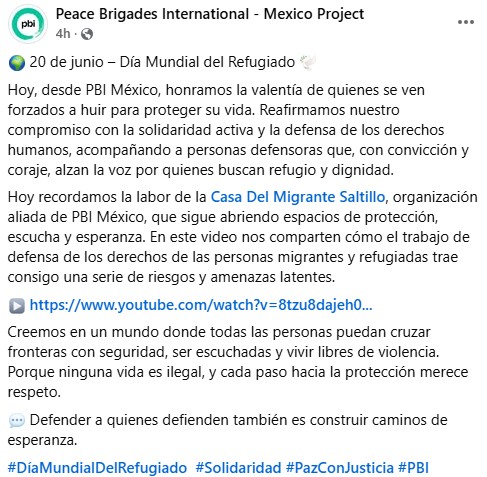
This is the link to the video shared by PBI-Mexico.
Canada’s “Strong Borders Act”
On June 3, the Carney government introduced Bill C-2, the Strong Borders Act.
The next day, Amnesty International Canada commented: “If passed, Bill C-2 would make it virtually impossible for most people entering Canada via the U.S. to have their refugee claim reviewed by the Immigration and Refugee Board. In addition, the bill would effectively block people who have been in Canada for more than a year from seeking refugee status. People who face persecution, torture or worse in their countries of origin could be unfairly denied refugee protection by Canada as a result.”
The Canadian Council for Refugees has also commented: “The bill reflects a wholesale shift in how we respond to refugees seeking protection in Canada, appallingly treating them as if they were in the same category as fentanyl or illegal weapons. It introduces US-style militarization and border enforcement under which migrants are seen as a security threat instead of provided the kind of fair immigration process that Canadians expect.”
“Migration is a form of reparations”: Walia
Harsha Walia, a South Asian writer-activist based in Vancouver, has commented: “What we need to understand is that migration is a form of reparations. Migration is an accounting for global violence. It’s not a coincidence that the vast number of people who are migrants and refugees in the world today are black and brown people from poor countries that have been made poor because of centuries of imperialism, of empire, of exploitation and deliberate underdevelopment. It’s those same fault lines of plunder around the world that are the fault lines of migration. More and more people are being forced out of their land because of trade agreements, mining extraction, deforestation, climate change. Iraq and Afghanistan have been for decades on the top of the UN list for displaced people and that has been linked to the US and Nato’s occupations of those countries.”
We continue to follow this.
Further reading
PBI-USA begins “Trump Watch” as rights-violating Executive Orders assault civil and human rights in the United States (PBI-Canada, March 17, 2025).
PBI-Canada to follow the human rights implications of RCMP Black Hawk helicopters deployed at US-Canada border (PBI-Canada, January 30, 2025).
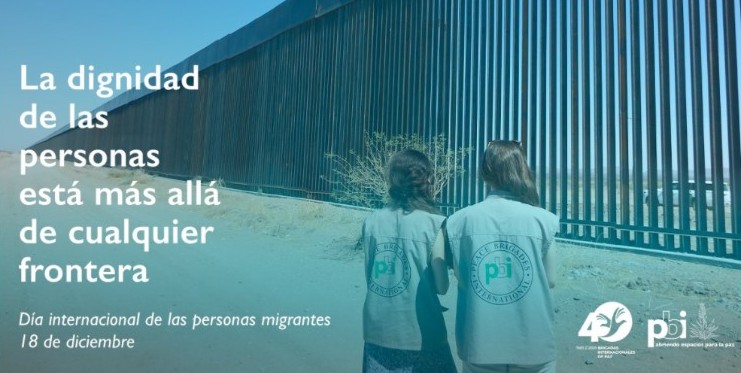
PBI-Mexico: “The dignity of people is beyond any border” (PBI-Canada, December 18, 2021).